
FreeRobux
farm_DevTrivia
4.7881.00 Reviews
- Version
- 26.0.0
- Installs
- 100.00K
- Age Rating
- Everyone
Screenshots
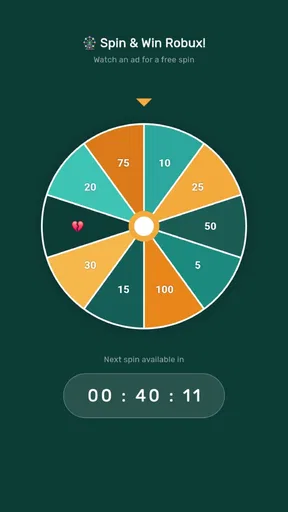
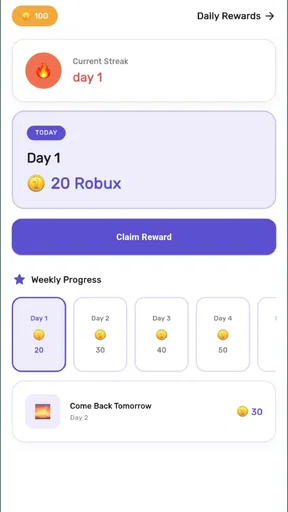
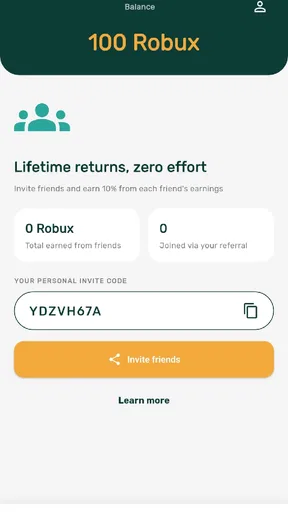
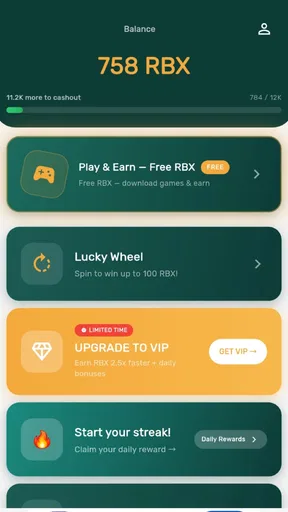
Our Review of FreeRobux
 Analysis by Appyee
I approached Free Robux as a trivia game rather than as a shortcut to anything outside the game itself. Its central idea is simple: answer surveys, return for daily rewards, and keep an eye on your progress. That makes it easy to understand within a few minutes, but the real question is whether the routine feels worthwhile after the first session. My answer is cautiously positive for players who enjoy light, repeatable quiz tasks, with an important warning: anyone expecting instant, effortless rewards may find the experience less satisfying.
The game comes from farm_Dev and sits in the trivia category. It is free to start, carries an Everyone age rating, and has reached over 50 thousand installs. Its average score is 4.8 from around 6.5 thousand ratings, which suggests that the basic concept connects with many users. I would still treat that score as a starting point rather than a guarantee, because survey-based games depend heavily on the quality, length, and relevance of the tasks shown to each player.
How the first session feels
The opening impression is deliberately direct. There is no need to learn a complicated control scheme or understand a large fictional universe before playing. The focus is on getting into available surveys and checking the daily reward routine. That low barrier is one of the strongest parts of the design: I could understand the intended loop quickly, and a short visit does not demand the same attention as a full puzzle game or a competitive trivia title.
That simplicity also creates the first limitation. A traditional trivia game usually gives me a clear challenge, a visible answer, and an immediate sense of improvement. Here, the survey structure makes the experience feel more like a task-based reward app with trivia elements than a conventional knowledge test. If I want to sharpen my memory, compete against friends, or study a subject, I would choose a dedicated quiz game instead.
The free entry point is useful for trying the routine without committing money. However, the presence of in-app purchases ranging from $2.99 to $54.99 per item means I would approach the reward system carefully. I would not buy anything until I had used the free path long enough to understand how often I actually return, how engaging the surveys are, and whether the rewards feel proportionate to the time involved.
One practical detail matters more than it may seem: this is a game I would use in small gaps rather than plan an entire evening around. A bus ride, a waiting-room visit, or a few minutes before bed suits the format better than a long uninterrupted session. That makes the daily reward element more meaningful, because the app is designed around returning regularly rather than finishing one large campaign.
A visual language built around clarity
Free Robux does not need elaborate scenery to communicate its purpose. Its visual identity is strongest when it keeps the survey and reward path easy to recognize. In my experience with this type of app, clear separation between an available task, a completed task, and a daily claim is more valuable than decorative artwork. The setting feels functional: it frames the reward loop instead of asking the player to explore a rich fictional world.
That choice creates a coherent mood, but it also limits the game’s expressive range. There is little reason to expect the kind of character animation, environmental storytelling, or visual discovery found in a larger adventure. Players who judge a game by art direction may find the presentation modest. Players who prefer a clean route from opening the app to checking the next activity may appreciate the restraint.
The most useful way to read the interface is as a checklist rather than a map. I would first identify what is available now, then note what requires a return later, and finally decide whether the next task is worth my time. This small change in mindset prevents the app from feeling like an endless hunt for a hidden button. It also helps keep expectations realistic: the value is in managing a short routine, not in uncovering a secret world.
Another useful habit is to pause before accepting every available survey. A task can be technically quick but still feel tedious if its questions do not interest me. I would choose activities that fit the time I have, especially when using the game during a short break. That approach improves the pacing and reduces the common frustration of starting something that becomes inconvenient halfway through.
Sound, rhythm, and the feeling of return
The mood of this game is shaped less by dramatic sound design and more by repetition. A daily reward gives the experience a gentle rhythm: open the app, inspect the current opportunity, complete what makes sense, and leave. That cycle can feel satisfying when I want a small, predictable interaction. It is not the kind of rhythm that builds tension like a timed quiz or excitement like a match-based game.
This slower pace is both a strength and a weakness. It suits players who dislike pressure and want to make progress at their own speed. On the other hand, anyone who needs constant novelty may quickly feel that the routine is too quiet. The game’s atmosphere depends on whether the player enjoys repeated check-ins; without that preference, the daily structure can feel like an obligation rather than a reward.
I also think the sound experience should be treated as supporting material, not the main attraction. The app’s identity comes from what I do with the surveys and claims, not from a memorable soundtrack or a large audio spectacle. That is appropriate for a utility-like trivia game, but it means the overall presentation has to earn attention through convenience and trust. If those two qualities are missing for a particular user, sound alone would not rescue the experience.
My best pacing tip is to set a natural stopping point. After completing a suitable survey or checking the daily reward, I would close the app instead of forcing myself to continue searching for something more interesting. This prevents a short break from turning into a frustrating session and keeps the next visit feeling optional. In a game built around repetition, knowing when to stop is part of using it well.
Where the mechanics fit—and where they do not
The core mechanics are easy to grasp: surveys provide the main activity, while daily rewards encourage regular returns. That combination works for people who enjoy simple questions and gradual accumulation. It is also accessible to younger players because the game is rated Everyone, although I would still encourage families to discuss online reward expectations and avoid treating any app as a promise of guaranteed results.
The important trade-off is between effort and expectation. A survey may be enjoyable when it feels short and relevant, but the same format becomes tiring when I am only completing it because I expect a large outcome. I would evaluate each session by the quality of the interaction itself, not by an imagined payoff. That mindset makes the game more pleasant and protects against spending more time or money than the experience deserves.
Compared with ordinary trivia games, this title is less focused on right-or-wrong knowledge performance. A standard quiz app is usually better if my goal is learning facts, building a streak based on accuracy, or competing on a leaderboard. Compared with idle reward apps, Free Robux gives me more active involvement because I have to respond to surveys rather than simply wait. Its position between those two types is distinctive, but it also means it may not fully satisfy either audience.
I would skip it if I want a deep single-player campaign, a strong story, or a demanding test of expertise. I would also skip it if I dislike recurring tasks or if I am uncomfortable with in-app purchase prompts. The free label makes entry easy, but free access does not automatically mean every optional purchase is worthwhile. My rule would be simple: use the no-cost experience first, understand the routine, and only then decide whether spending is justified.
Device compatibility is reasonably broad because the game supports Android 7.0 and later. That makes it a practical option for people using older Android phones, although the experience will still depend on the individual device and connection. The current version is 26.0.0, so I would keep the app updated through the normal store process when an update is available, particularly for a game whose usefulness depends on fresh tasks and reliable daily access.
One question many readers will have is whether the game is suitable for a quick, casual player. I think it is, provided that player understands the format. The short-session design is a good match for spare moments, but it is not a replacement for a full trivia challenge. Another likely question is whether it is appropriate for children. The Everyone rating makes it broadly accessible, yet children should still be guided about purchases, reward expectations, and sharing personal information while completing any survey-like activity.
Players may also wonder whether the daily reward changes the whole experience. In my view, it improves retention rather than transforming the mechanics. It gives me a reason to return, but it does not automatically make every survey more interesting. The smart way to use it is as a reminder to check in, not as a reason to stay longer than I want.
The developer name, farm_Dev, is visible as part of the app’s identity, but the experience itself is what determines whether it belongs on my phone. A high average rating and a substantial user response are encouraging signs, yet survey apps can feel different from person to person because available tasks and personal tolerance for repetition vary. I would recommend a short trial based on actual enjoyment, not on the rating alone.
Who gets the most from the routine
I can see this working well for someone who likes low-pressure activities, enjoys answering questions, and wants a small daily habit instead of a demanding game. It may also suit a player who already spends time in the Roblox ecosystem and is curious about a trivia-based companion experience, as long as they keep the reward claims realistic and do not confuse the app’s promotional language with a guarantee.
It is less suitable for a trivia enthusiast who wants detailed explanations after every answer, carefully organized subjects, or a measurable learning path. It is also a poor match for anyone who sees every minute as a direct exchange for a guaranteed result. The game’s best quality is its accessible routine, and its biggest weakness is that the routine can lose its appeal when the tasks feel repetitive or the expected reward becomes the only motivation.
A realistic everyday workflow would be to open the app during a short commute, inspect the available survey, complete it only if the time and topic suit me, and check the daily reward before leaving. I would avoid opening it repeatedly throughout the day just to chase a better opportunity. That behavior turns a casual game into a source of unnecessary distraction. Used with a clear time limit, it remains easier to fit into ordinary life.
The most important practical insight is to judge the game by the quality of its loop, not by the promise attached to the reward. If the questions are tolerable, the interface is clear, and the daily visit feels harmless, the app can be a pleasant small diversion. If the tasks feel like chores from the beginning, no amount of checking in will make it a good fit.
My atmosphere verdict
Free Robux creates a light, task-focused mood rather than a dramatic game world. Its visual and audio identity support a calm return-and-complete rhythm, while the survey mechanics keep the experience active enough to avoid being a purely passive reward app. I like that it is approachable, free to begin, and suitable for short sessions. I also appreciate that it does not require a large time commitment before I understand what it is trying to do.
My reservations are equally clear. The experience can become repetitive, the reward expectation can overshadow the trivia, and optional purchases require restraint. Players looking for rich storytelling, competitive quiz depth, or guaranteed outcomes should choose a different kind of app. For everyone else, I would recommend trying the free routine with a strict time boundary and no pressure to spend.
Overall, I see this as a modest casual trivia game with a recognizable daily rhythm, not a full-featured quiz adventure. Its 4.8 average and growing audience make it worth a look, but the deciding factor is personal tolerance for survey repetition. If you enjoy brief question-based tasks and can keep the reward system in perspective, it may fit neatly into your spare moments. If you need constant variety or a deeper sense of progression, the usual trivia alternatives will probably leave you more satisfied.
Verdict
Strengths of FreeRobux
- Simple interface makes Robux-related information easy to browse.
- Includes tips that may help users understand Roblox’s currency system.
- Lightweight design should work smoothly on many Android and iOS devices.
- Useful for younger players learning about safe Roblox account practices.
- Can be accessed without committing to a paid Roblox membership.
Limitations of FreeRobux
- It cannot legitimately generate or add free Robux to a Roblox account.
- Some offers or links may redirect users to external websites.
- Content may become outdated when Roblox changes its policies or prices.
- Users should avoid entering Roblox login details into third-party forms.
- The app does not replace official Roblox promotions or gift cards.
Similar Picks in This Category
View All
Millionaire 2026 Quiz & Trivia
Quiz & Trivia Games by Submarine Apps4.5

Brain Test 2: Tricky Stories
Unico Studio4.7

Trivia Crack: Brain Quiz Games
etermax4.4

QuizzLand. Quiz & Trivia game
Quiz & Trivia Games by Mno Go Apps4.8

Brain Test: Tricky Puzzles
Unico Studio4.7

Logo Quiz
bubble quiz games4.5
Frequently Asked Questions
What is Free Robux, and does it really provide Robux for Roblox?
“Free Robux” usually refers to websites, apps, videos, or promotions claiming to give users Robux without payment. After reviewing this type of service, it is important to understand that Roblox does not authorize third-party Robux generators. Legitimate Robux normally comes from Roblox, gift cards, Premium memberships, or approved creator earnings. Be cautious with any tool promising unlimited or instant Robux.
Is Free Robux safe to download and use?
Safety depends on the specific app or website, but most unofficial Free Robux services should be treated with suspicion. They may contain aggressive advertising, misleading surveys, tracking scripts, malware, or links to unsafe downloads. Never install files from unknown sources, disable Android or iOS security protections, or provide your Roblox password. Download only from official stores and verify the developer before using any related application.
Do I need to enter my Roblox username, password, or account details?
You should never provide your Roblox password, verification codes, recovery email, or payment information to a Free Robux generator. A username alone may be requested by some legitimate promotional systems, but it does not make an unofficial service trustworthy. Roblox account credentials should only be entered through official Roblox applications or the verified Roblox website. Sharing them could result in account theft or unauthorized changes.
Can Free Robux apps ban or compromise my Roblox account?
Yes, using unauthorized Robux generators, exploits, bots, or suspicious reward services can expose your account to scams and may violate Roblox rules. Possible consequences include stolen credentials, lost items, unauthorized purchases, spam sent from your account, or moderation action. There is no reliable shortcut that guarantees free currency. Protect your account with a strong unique password, two-step verification, and official Roblox security tools.
What are the legitimate ways to get Robux?
The safest options are purchasing Robux through the official Roblox app or website, redeeming an authorized Roblox gift card, subscribing to Roblox Premium, or earning Robux through eligible creator activities such as developing experiences and selling approved avatar items. Avoid services requiring downloads, surveys, referrals, or account logins in exchange for guaranteed Robux. If an offer sounds too good to be true, it is probably a scam.
Play our best games!


